
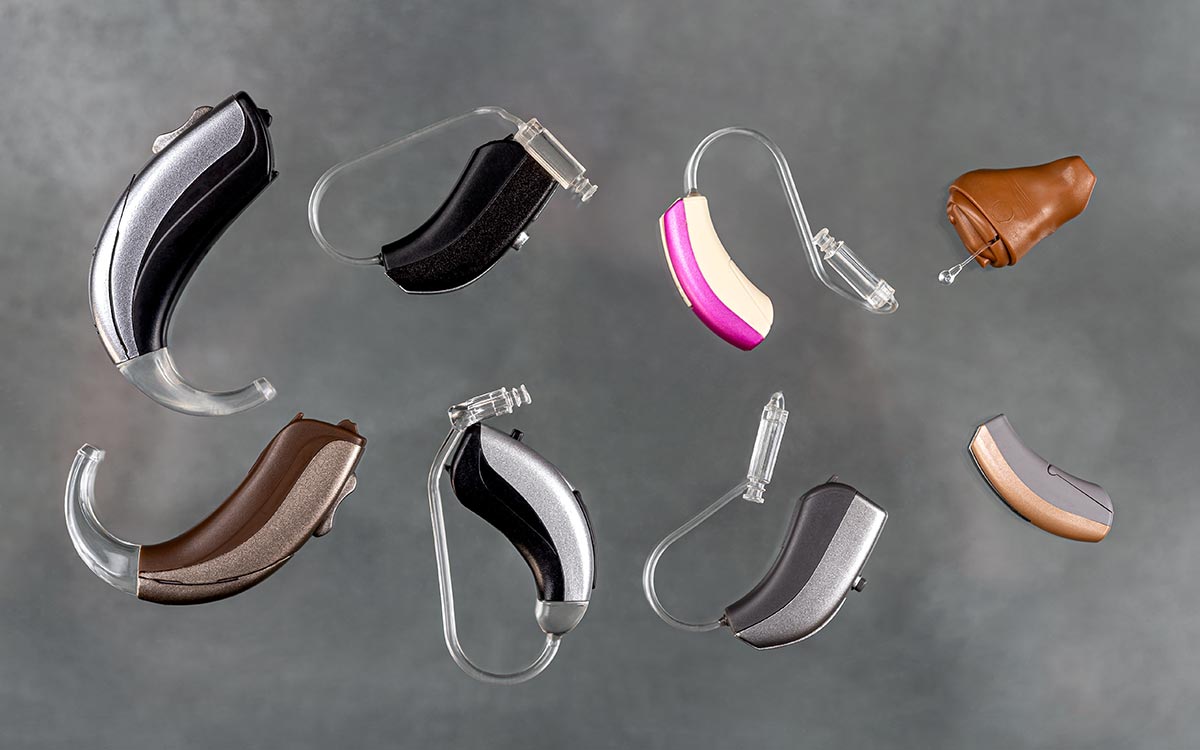
Choosing the right hearing aid can be a daunting task, given the vast array of styles, sizes, and technological features available in modern devices. Fortunately, there is a perfect hearing solution for every person, regardless of their lifestyle or the severity of their hearing loss. Success lies in locating the specific aid that meets your personal preferences.
By learning about the differences between various hearing aid models, you can move forward with greater confidence and knowledge. This guide examines the most popular styles and highlights the specific advantages each one offers.
The ITC (In-the-Canal) Style Detailed
Basic Overview:
ITC hearing aids sit partially in the ear canal, with a small portion visible at the outer ear.
The Perks:
- Highly subtle than larger models
- Custom-molded for ease
- Works well for individuals experiencing mild hearing challenges
Because they provide both discretion and helpful features, ITC models are a top pick for those new to hearing technology.
Ultra-Discreet IIC Devices
The Idea:
IIC models are the most tiny custom-fitted auditory solutions you can choose. These devices sit so far back in the ear that they are nearly impossible to see.
Why individuals pick them:
- The best option for patients prioritizing appearance
- Microphone placement assists in mimicking the ear’s natural sound collection
- So light and small that users frequently forget they are wearing them
Due to their miniature stature, these aids are generally recommended for low-to-mid-range hearing loss and users who want total invisibility.
In-the-Ear (ITE) Hearing Aids
The Fundamentals:
ITE devices are built to stay in the outer ear area, offering two different shell sizes based on your anatomy. Every unit is specifically customized to match your ear’s unique shape.
The Advantages:
- The increased surface area provides space for extra functionality and extended power
- The physical size is simpler to grip and adjust for users with fine motor concerns
- Effective for mild to severe hearing loss
The all-in-one nature of the ITE design makes it an ideal choice for those who dislike behind-the-ear equipment.
BTE (Behind-the-Ear) Basics
What they are:
BTE hearing aids rest comfortably behind the ear. Audio travels into the ear canal through a small tube or custom earmold.
Why people choose them:
- Known for remaining remarkably adaptable and robust
- Work for almost all degrees of hearing loss
- The spacious housing allows for high-tech extras and built-in power cells
BTE devices are an excellent choice for individuals seeking reliability, ease of use, and strong amplification.
Receiver-in-Canal (RIC) Hearing Aids
What they are:
The RIC design keeps the main housing on the back of the ear while moving the receiver into the ear canal itself.
Why people select them:
- Known for creating some of the most authentic audio in the industry
- Small, feather-light, and comfortable
- An adaptable solution that works for various degrees of auditory needs
RIC devices are one of today’s most popular models, thanks to their blend of comfort, aesthetics, and performance.
Extended-Wear Device Facts
Operational Details:
These unique aids are designed to live in the ear canal for a month or more, managed by your hearing specialist.
User Motivations:
- Perfect for wearers who want to bypass the routine of handling hearing aids daily
- Almost hidden
- Designed to be worn during everyday activities, including sleeping and exercising
For an autonomous approach to hearing assistance, extended-wear technology is the top recommendation.
Connected Wireless Solutions
Tech Specs:
Bluetooth-ready hearing aids enable an electronic bridge between your hearing technology and your smart devices.
Why users choose them:
- Enjoy direct sound streaming from your phone or TV right into your ears
- Provides an unobtrusive way to manage your hearing environment from your mobile screen
- Improved convenience for modern lifestyles
Most contemporary RIC, BTE, and ITC hearing aids now provide an advanced version.
Middle-Ear Implants
Technical Description:
A surgically implanted device that directly vibrates the middle ear bones to amplify sound.
Medical Reasons:
- Option for people who cannot use traditional hearing aids
- This is a specialized choice for those with chronic ear canal sensitivity.
Middle-ear implants are usually suggested only after a full evaluation by a hearing specialist.
Selecting Your Ideal Auditory Solution
Selecting an instrument is an individualized process that takes into account your hearing severity, lifestyle habits, and visual preferences. A hearing care professional can lead you through your choices, answer questions, and help you experience how different devices look and feel.
Begin your journey to better sound by setting up an auditory test now. This simple step is the basis for improved hearing and better connections with those around you.
Sources:
https://www.mayoclinic.org/diseases-conditions/hearing-loss/in-depth/hearing-aids/art-
20044116
https://www.hearinglife.com/hearing-aids/types
https://www.nidcd.nih.gov/health/hearing-aids