
When your hearing feels obstructed, it can impact your daily schedule and leave you feeling withdrawn from your environment. While the anxiety of lasting hearing damage is a common first response, the actual culprit is frequently a simple accumulation of earwax.
Distinguishing between a cerumen blockage and true hearing loss is crucial for determining if you need a simple removal or a formal diagnostic exam. There is no need to feel overwhelmed if sounds seem muted. A professional evaluation will deliver the final answer, but the following resource details the primary variations between blockage-based issues and permanent loss.
Recognizing the Markers of Earwax Blockage
Earwax (cerumen) is a natural, protective substance that helps trap dust and debris and keeps the ear canal healthy. The difficulty starts when this material accumulates to the point of a tangible blockage.
Common signs of cerumen impaction consist of:
- Progressive or sudden dampened hearing
- The perception that there is a mechanical obstruction in the canal
- Localized tenderness or localized aching in the ear
- Ringing in the ear (tinnitus)
- Sound clarity that shifts or improves briefly with jaw movement
A signature of wax-induced sound fluctuations is asymmetry, usually impacting one side more than the other. Fortunately, clearing the blockage typically resolves the symptoms instantly.
How Auditory Loss Typically Presents
Unlike a temporary obstruction, nerve-based hearing deficit typically progresses slowly over decades and is not fixed by cleaning the canal.
Common indicators of permanent hearing impairment include:
- Struggling to follow conversations when background noise is present
- Frequently requesting people to restate themselves
- Increasing the TV or smartphone volume louder than people desire
- Trouble detecting high-pitched sounds
- A balanced reduction in hearing ability in both ears
Crucially, hearing impairment is a clarity issue that rarely includes the perception of physical pressure found with wax.
Quick Guide: Cerumen vs. Hearing Loss
While evaluating earwax buildup vs. hearing loss, a few clues can help point you in the correct direction:
- Onset: Earwax issues often come on abruptly; hearing loss develops slowly
- Reversibility: Cerumen hearing shifts are typically temporary; auditory impairment is often permanent
- Sensations: Fullness and discomfort suggest wax; word intelligibility challenges indicate impairment
- Asymmetry: Cerumen often impacts one ear; auditory impairment frequently affects both
The Dangers of At-Home Ear Cleaning
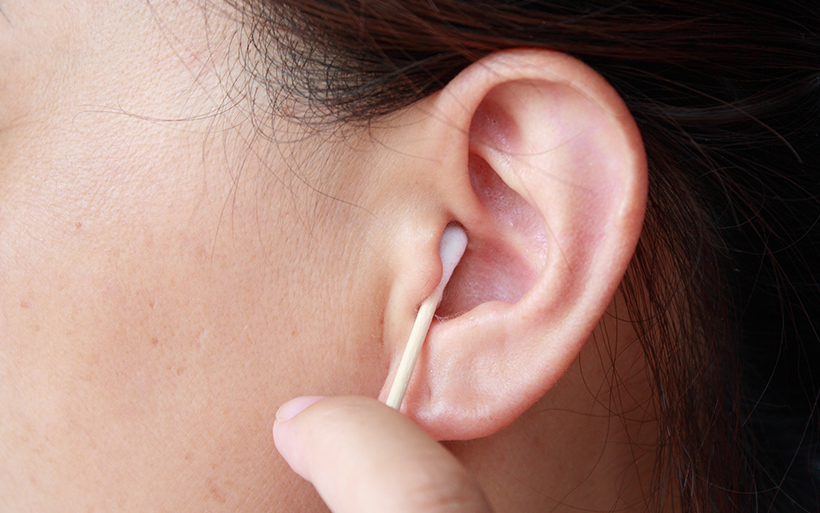
Numerous people make the mistake of trying to clear a perceived blockage themselves using probes or household tools. Using foreign items commonly pushes the plug deeper into the canal, heightening the risk of injury.
Clinical data shows that DIY removal often leads to unintended injury or more complex blockages.
On the flip side, presuming a concern is just wax when it is actually auditory impairment can prevent you from getting the assistance you need to remain connected.
The Importance of a Clinical Ear Exam
A brief otoscopic check can instantly determine whether earwax is obstructing the canal.
If a blockage is identified, a clinician can remove it carefully, often restoring your hearing immediately.
When the canal is clear but auditory input is still muted, a clinical test is required to evaluate your auditory health.
Medical experts suggest seeking a clinical evaluation as soon as you notice auditory fluctuations that impact your lifestyle.
Final Points on Cerumen and Auditory Wellness
Dampened sound is hardly a definitive sign of chronic loss.
Very often, the issue is merely a collection of cerumen that can be quickly cleared.
A clinical assessment will give you the clarity you need to advance without worry.
Remember: The sole reliable way to distinguish the difference between cerumen impaction and hearing loss is with a clinical exam.
Locating the cause soon protects your well-being and provides you with the peace of mind you have earned.
Rather than wondering what is amiss, book a quick consultation with our audiologists to uncover the truth.