
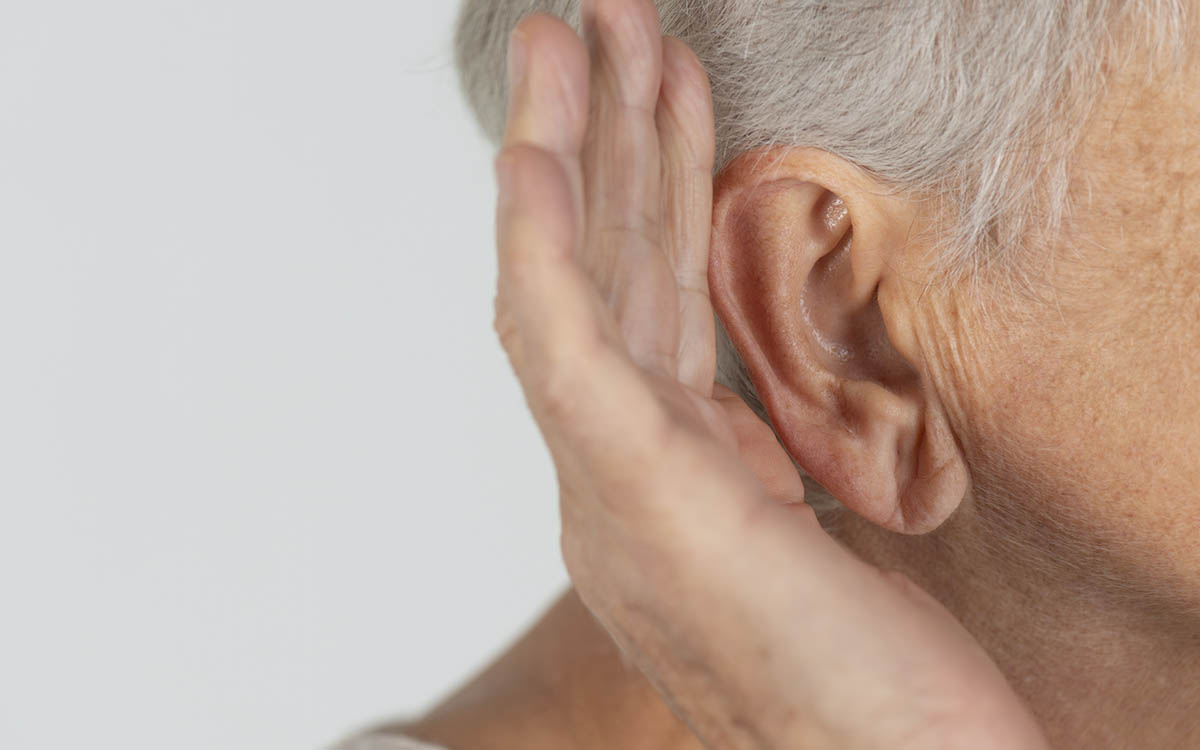
Most people associate hearing loss with getting older, though for a significant portion of the population, ear injury manifests significantly sooner. Noise-induced hearing loss is one of the most common and preventable forms of damage to our hearing, advancing subtly and remaining undiagnosed until the clinical effects are permanent.
Grasping the longitudinal impact of sound exposure on the auditory system can help you protect yourself before significant hearing loss occurs.
Understanding the Clinical Nature of Acoustic-Related Hearing Loss?
The pathology of noise-induced hearing loss involves trauma to the sensitive anatomical structures within the inner ear. Data from the CDC indicate that, auditory impairment may begin with chronic exposure to noise levels over 85 decibels. More intense acoustic stimuli, such as power equipment or firearms, are capable of inducing auditory trauma in a matter of minutes.
The inner ear contains microscopic sensory receptors known as hair cells. The function of these cells is to transduce mechanical vibrations into neural impulses for cerebral processing. Following injury, these hair cells lack the biological capacity to regenerate, which renders noise-related hearing loss an irreversible condition.
How Hearing Damage Advances Incrementally
One of the most concerning aspects of noise-induced hearing loss is that it often develops slowly. Early-stage symptoms resulting from noise exposure often include:
- Short-term episodes of Tinnitus or buzzing within the ears
- Subjective hearing attenuation or muffling after high-decibel events
- Challenges involving speech comprehension within high-noise settings
Initial symptoms may subside, frequently resulting in the incorrect assumption that hearing function has returned to baseline. Despite the lack of symptoms, persistent noise exposure causes cumulative injury to the ear, steadily eroding hearing precision.
The Hearing Loss Association of America reports that approximately 48 million Americans experience some degree of hearing loss, often without recognizing the contributing factors.
Hazardous Acoustic Triggers contributing to Auditory Trauma
In our modern environment, individuals often develop a tolerance or desensitization to high-volume sounds. For this reason, many people are surprised to learn how common harmful noise exposure is.
Commonly encountered risks include:
- Concert settings and loud musical performances
- Headphones played at high volumes
- Gas-powered lawn tools, industrial machinery, and motorcycles
- Workplace noise in construction, manufacturing, or warehouses
The everyday occurrence of these sounds allows for progressive damage to develop without obvious warning.
Prioritizing Prevention in Clinical Hearing Management
In contrast to certain medical conditions, noise-induced hearing loss is characterized by its permanent nature. The condition is, however, susceptible to effective preventative strategies. Risk reduction can be achieved through fundamental protective habits, including:
- Utilizing hearing protection devices like earplugs in noisy settings
- Reducing personal audio volume and adhering to the 60/60 safety guideline
- Implementing quiet intervals to permit the auditory system to rest
- Scheduling regular hearing evaluations if you’re frequently exposed to loud noise
Indications for Expert Audiology Consultation
The presence of chronic Tinnitus, impaired speech recognition, or altered auditory clarity warrants a professional Audiology consultation. Early assessment is critical for monitoring, education, and the development of protective strategies to help preserve your hearing.
Protecting your ears today helps ensure clearer hearing tomorrow. Noise may be unavoidable, but hearing loss doesn’t have to be!. Contact our team today to schedule a consultation and make sure you’re hearing your best.