Prevalent myths regarding hearing loss frequently act as a barrier to necessary audiological treatment. Early diagnostic accuracy is essential for anyone experiencing the onset of hearing loss. Adhering to standard hearing myths often leads to diagnostic delays and a measurable decline in life quality.
If you have concerns about your hearing, knowing the truth (and the myths!) can help you make informed decisions about your health and proceed with greater confidence. The following analysis deconstructs seven common hearing fallacies using modern audiological data.
Myth One: Auditory Decline is Strictly Age-Related
Though presbycusis is a standard clinical finding, hearing loss impacts every biological demographic. Factors such as acoustic trauma, genetic markers, ototoxic drugs, and viral infections trigger hearing issues in youth.
The “aging myth” frequently prevents young and middle-aged adults from pursuing an essential hearing test.
2. Myth: If I Can Hear, I Don’t Have Hearing Loss
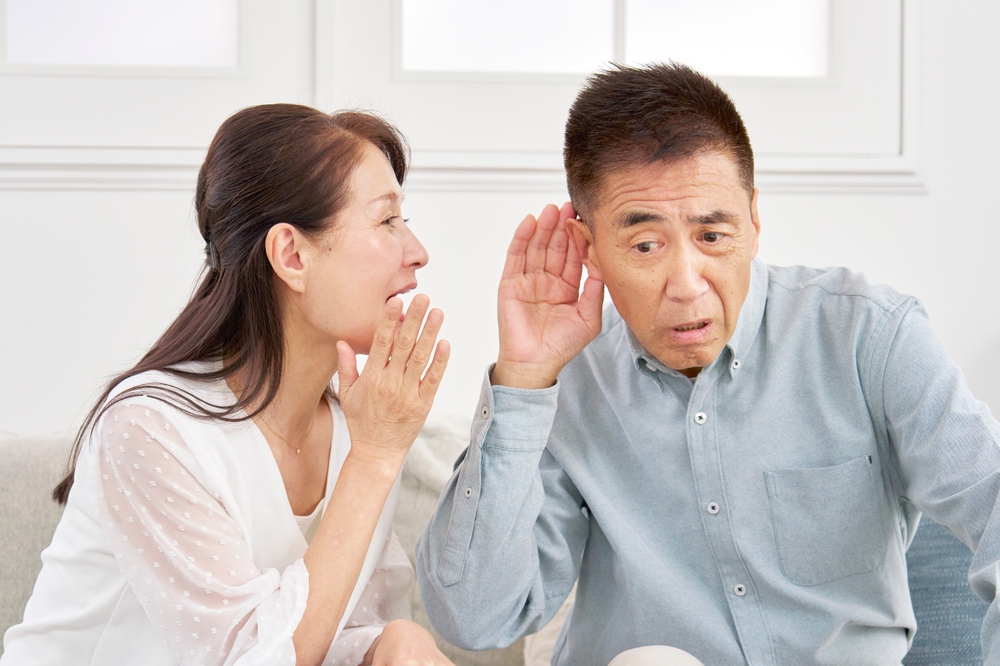
An individual can suffer from hearing loss without experiencing a complete loss of sound. In fact, many people with mild or moderate hearing loss can still hear sounds, but they struggle to understand speech clearly. Between perfect hearing and total hearing loss is a wide spectrum of hearing challenges.
You might notice difficulty following conversations in noisy environments, frequently asking others to repeat themselves, or feeling mentally exhausted after social interactions. These are common early signs of hearing changes that should not be ignored.
Myth Three: The Misconception of Minor Impact
The impact of aural decline reaches into the cognitive and emotional well-being of the patient. Research has linked unmanaged hearing loss to social withdrawal, increased stress, cognitive strain, and even a higher risk of depression.
Managing your hearing health is a critical step in preserving your holistic quality of life.
Myth: Amplification Devices Accelerate Ear Damage
Some people believe that wearing hearing aids will cause their hearing to deteriorate more quickly, but that is not true.
Hearing aids do not damage your ears. Instead, they amplify sounds based on your hearing test results. In many cases, using hearing aids can help the brain stay engaged in processing sound, supporting long-term auditory health.
5. Myth: Hearing Aids Are Large and Obvious
Current hearing tech leverages micro-circuitry to achieve high performance in small packages. Modern hardware has reached a peak of efficiency, offering discrete aesthetics with high-fidelity sound. Patients can now choose custom-molded options that sit deep within the ear canal for total discretion.
Modern tech includes advanced directional microphones and wireless streaming directly to the patient’s ears.
Why Even Mild Hearing Impairment Requires Attention
Even mild hearing loss can impact communication and daily life. Using hearing help for mild cases reduces the heavy “brain power” usually required to decode speech.
The earlier that hearing changes are addressed, the easier it is to adapt and maintain strong communication skills.
Myth: One-Size-Fits-All Hearing Solutions Work for Everyone
Generic OTC amplifiers lack the sophisticated frequency shaping required for complex hearing loss profiles. A clinical hearing test allows an expert to program a solution specific to your biological requirements.
Custom-fit solutions provide a level of acoustic fidelity that generic devices simply cannot match.
Your Path to Clarity: Rejecting Common Hearing Fallacies
While aural changes are intimidating, delaying care only leads to more complex communicative issues. Auditory fallacies act as roadblocks to the treatment that could change your life today. A professional assessment is an easy, stress-free way to gain total clarity on your ear health.
If your ears feel “different,” scheduling a formal evaluation is the responsible next step for your health. Early intervention can improve not only communication, but also overall quality of life.
If you want to learn more about your hearing health or schedule a hearing evaluation, our team is here to help! Call us today for a consultation.