
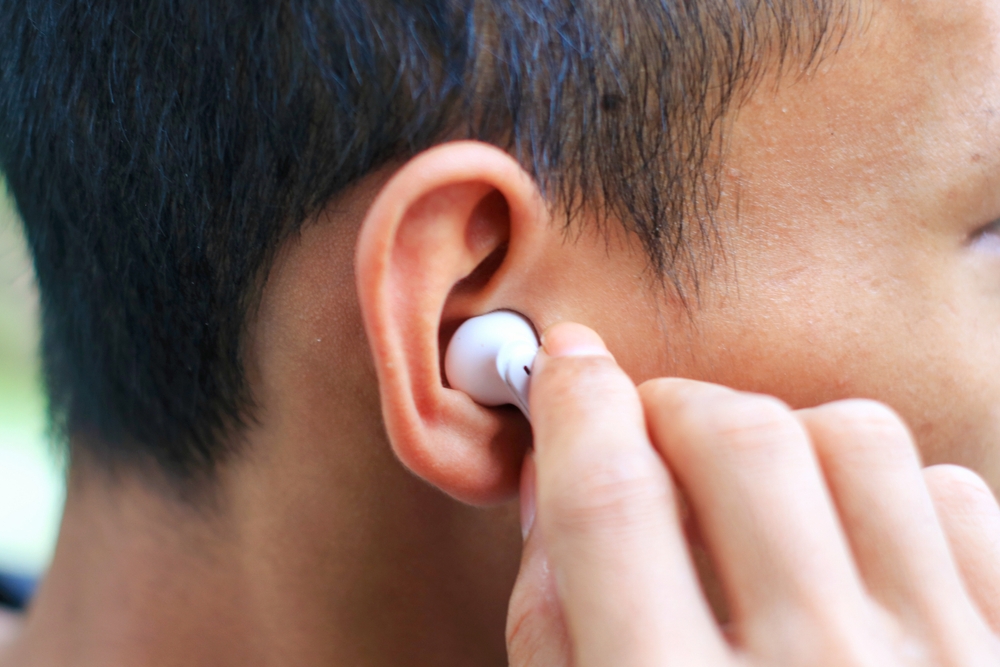
In modern public spaces, the sight of a young person without some form of in-ear audio is rare. Even with their larger footprint, headphones remain a popular choice for teenagers looking to disconnect from the world. The appreciation for music is a cross-generational trait, yet younger individuals often depend on it for constant background stimulation. Given their intimate position near the eardrum, are these devices a legitimate threat to our hearing? Clinically speaking, the hardware is not the culprit; rather, the risk lies in human behavior and exposure levels.
The Risks of Prolonged High-Decibel Exposure
Listening to music can be relaxing, soothe our souls, or wind us up. Depends on the music. Employing in-ear monitors is an effective method for maintaining acoustic privacy in public environments. That’s a positive thing, and most people will tell you that they are grateful and prefer that on a train or bus.
The primary clinical concerns center on the precise limits of sound pressure and the length of the listening session. It is well-established that loud noise, regardless of the source, can compromise your long-term hearing sensitivity. If you maintain a high volume for a long period, you risk destroying the hair cells in your inner ear. Since hearing shifts occur incrementally, the window for prevention has often closed by the time a patient seeks help.
The Biological Impact of High-Intensity In-Ear Audio
High volume stands as the most significant threat to the preservation of hearing sensitivity. However, the duration of the exposure matters as much as the volume.
- The National Institutes of Health advises that sounds under 70 decibels are generally safe for the human ear.
- The rate of auditory trauma increases exponentially as the decibel level rises.
- To protect your ears, utilize the 60/60 guideline: never exceed 60% power and rest after 60 minutes of use.
- Ensuring long-term hearing health requires a proactive reduction in volume and strict limits on listening time.
Red Flags: When to Suspect Hearing Impairment
If you notice muffled speech, struggle with background noise, experience **tinnitus**, or constantly require others to speak up, a professional evaluation is necessary.
Schedule an appointment with our specialists if you believe your auditory health has been compromised.