
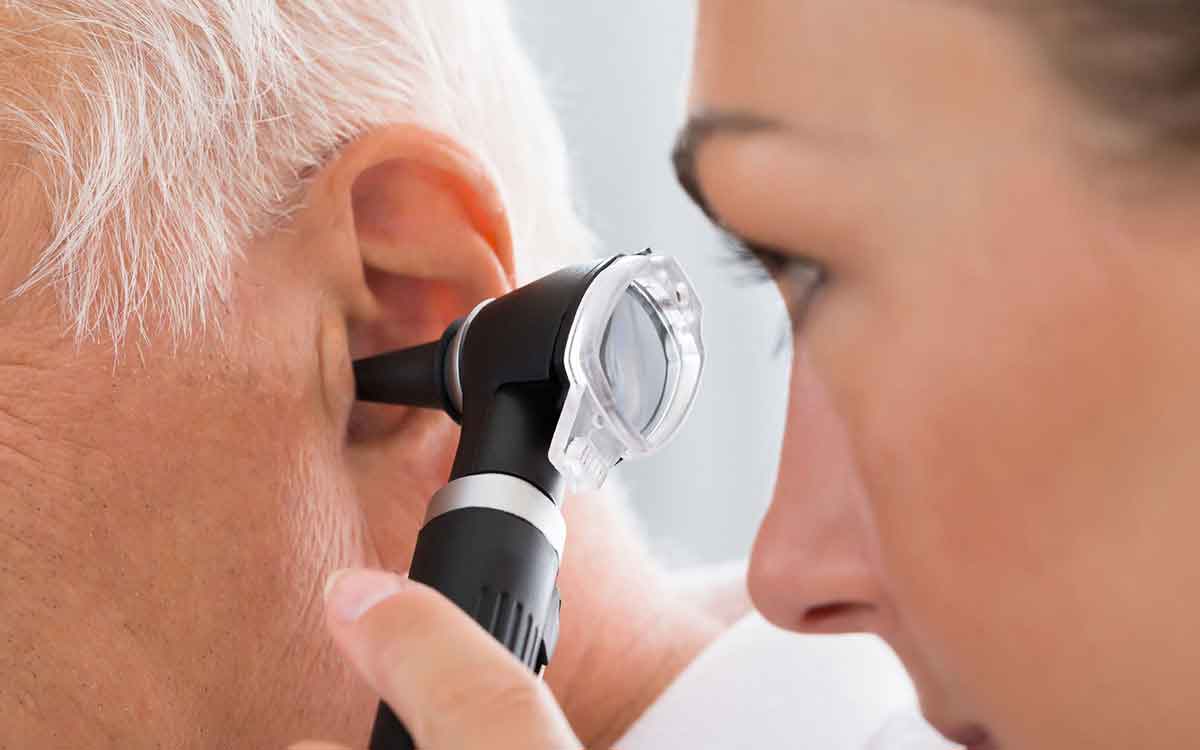
Hearing loss often happens gradually, making it easy to miss during the initial stages. It is common for people to adapt to auditory changes by elevating device volume and steering clear of gatherings with significant background noise.
But identifying the early signs of hearing loss is clinically vital.
Frequent Indicators of Initial Auditory Decline
If you observe any of the following symptoms, it is advisable to schedule a professional evaluation.
- Difficulty comprehending speech, particularly in crowded settings with a lot of activity.
- Frequently asking people to repeat themselves.
- The perception of indistinct vocal communication where sounds lack definition.
- Setting increased decibel settings for media beyond the comfort of family members.
- Trouble perceiving high-frequency audio, such as high-frequency vocalizations, birds, or doorbells.
- Occasional ear ringing or humming associated with tinnitus.
- Feeling mentally exhausted after social interactions, resulting from the strain of auditory processing.
- Isolating from group interactions as conversational tracking feels taxing.
Preliminary indicators of auditory decline might manifest in either one or both ears and vary in frequency initially. Because the brain adapts quickly, many people don’t realize how much they’re compensating until hearing loss becomes more noticeable.
Hearing Loss By The Numbers
According to official WHO data, over 700 million people will necessitate hearing rehabilitation by 2050. Other significant statistics involve:
- By 2050, nearly 2.5 billion people are expected to experience various levels of hearing loss.
- More than five percent of the global community (roughly 430 million people) requires rehabilitation to manage disabling hearing loss.
- In excess of 1 billion young adults face the threat of permanent hearing loss resulting from unsafe listening practices.
- Among those aged 60 and older, more than one-quarter suffer from clinically significant hearing loss.
The Critical Importance of Early Identification
If left untreated, hearing loss can influence multiple dimensions of your health beyond simple communication.
Data confirms a connection between untreated hearing loss and risks involving cognitive decline and mobility issues.
Managing symptoms at the onset allows for a broader range of interventions and improved clinical results.
A professional assessment clarifies if hearing shifts are the result of noise damage, earwax impaction, or different medical factors.
Occasionally, hearing shifts are temporary and resolve with intervention.
Alternatively, employing protective measures or digital hearing aids early may delay the progression of hearing loss.
Recognizing the Need for Audiology Services
You should consider arranging a hearing evaluation if:
- Auditory symptoms persist for a duration exceeding a few weeks.
- Difficulty hearing begins to impact professional tasks or daily activities.
- If you encounter sudden hearing loss, dizziness, or persistent tinnitus (this should be evaluated promptly).
Assessments for hearing are noninvasive procedures, offering deep insights regarding your ear health.
Contact our hearing clinic today if you think you would find value in a hearing screening.
Frequently Asked Questions: Recognizing Auditory Decline
Q: Are all auditory changes linked to getting older?
Answer: Not necessarily. Although presbycusis is prevalent, auditory shifts can stem from noise trauma, ototoxic drugs, or genetic factors.
Q: Can hearing loss be reversed?
A: In specific instances involving earwax or infection, hearing may be restored. While other forms are irreversible, they can usually be managed with professional treatment or hearing technology.
Question: What is the recommended frequency for hearing screenings?
A: A baseline screening is advised by age 50, or sooner if clinical symptoms manifest.